
Exploring MerryGiftmas: A Festive Extravaganza
Delve into the joyous world of MerryGiftmas, an engaging game that combines festive cheer with strategic gameplay, and learn its unique rules and entry into the gaming scene.


DaHongZhong is a game that has intrigued and entertained players for generations. Originating from China, it blends strategy with elements of chance, keeping players engaged with its dynamic playstyle. With the ongoing wave of traditional games gaining popularity worldwide, DaHongZhong has found a new audience who appreciates its distinct nuances and challenges.
The origins of DaHongZhong can be traced back to ancient China, embodying cultural elements that render it a beloved pastime. Originally created as a social activity, its purpose was to bring people together, promoting interaction and social bonds.
Over the years, DaHongZhong has evolved, adapting to the changing tastes and preferences of players. While it largely retains its traditional roots, modern iterations often incorporate digital innovations, with platforms like 7laro.com introducing the game to a broader audience through online play.
At its core, DaHongZhong is a game of tiles, similar to Mahjong but with its distinct set of rules and objectives. Players must utilize a combination of strategy, foresight, and luck to emerge victorious. Each player is dealt a set of tiles and the game progresses as players take turns drawing and discarding tiles, aiming to complete specific sets.
DaHongZhong is played with a set number of tiles, each adorned with symbols and colors that denote their value and category. Understanding the significance of these tiles is crucial for players to devise winning strategies. Typically, a game session includes multiple rounds, with players striving to achieve predefined formations or patterns.
While the fundamental rules of DaHongZhong are straightforward, mastering the game requires a deep understanding of its mechanics and subtleties.
DaHongZhong is usually played with four players, though adaptations for different numbers of players exist. At the start of the game, all tiles are shuffled, and each player receives a specific number of tiles, commonly 13 tiles. The remaining tiles form a draw pile from which players pick throughout the game.
The primary goal in DaHongZhong is to form a winning hand, achieved by arranging one's tiles into specific sets. These sets can be a sequence of three consecutive tiles, three identical tiles, or a pair, depending on the game's variation.
Players take turns drawing a tile from the draw pile and discarding an unwanted tile to maintain a fixed hand count. The challenge lies in the decision-making process, where players must weigh the potential of a new tile against the strategic integrity of their current hand.
Special tiles, often referred to as 'wild' or 'honor' tiles, add complexity to the game, potentially altering the strategic landscape with their unique abilities. Successfully utilizing these tiles can offer significant advantages.
DaHongZhong employs a scoring system that rewards players based on the complexity and rarity of their completed hand. Points are awarded for completing specific patterns, with bonuses for using special tiles or achieving challenging configurations. The player with the highest score after a predetermined number of rounds is deemed the winner.
With the globalization of traditional games, DaHongZhong has witnessed renewed interest beyond its native roots. Platforms like 7laro.com have been instrumental in this resurgence, offering digital versions of the game that cater to both beginners and seasoned players.
The online adaptation of DaHongZhong has introduced features that appeal to a contemporary audience, including tutorials, leaderboards, and competitive events. These enhancements make the game more accessible and engaging, attracting a diverse pool of players drawn by its challenging yet rewarding nature.
Excelling in DaHongZhong requires a blend of patience, observation, and adaptability. Players are encouraged to develop personalized strategies that reflect their playstyle while remaining flexible to the evolving game state.
Key strategies often involve focusing on achieving a balanced hand, capitalizing on the strengths of drawn tiles, and anticipating opponents' moves. Players who can effectively blend tactical foresight with quick decision-making are well-placed to thrive in the competitive landscape of DaHongZhong.
As DaHongZhong continues to make its mark on the global stage, its future looks promising. With its rich historical background and evolving gameplay, it remains a testament to the enduring appeal of traditional games in a modern context.

If you're looking for a reliable, fully licensed, and secure sportsbook with a wide selection of games, 7laro.com is the perfect choice. We're committed to providing you with the best online betting experience, with premium quality, excellent service, and continuous innovation. Sign up now and receive ₱777 for free!
Join now
Get the latest information, experience and betting strategies from the expert team at 7laro.com.
Delve into the joyous world of MerryGiftmas, an engaging game that combines festive cheer with strategic gameplay, and learn its unique rules and entry into the gaming scene.

Explore the underwater adventure of MermaidSecrets and learn how to play this captivating game

Delve into the excitement of JackpotJoker by 7laro.com, exploring its engaging gameplay and essential rules.
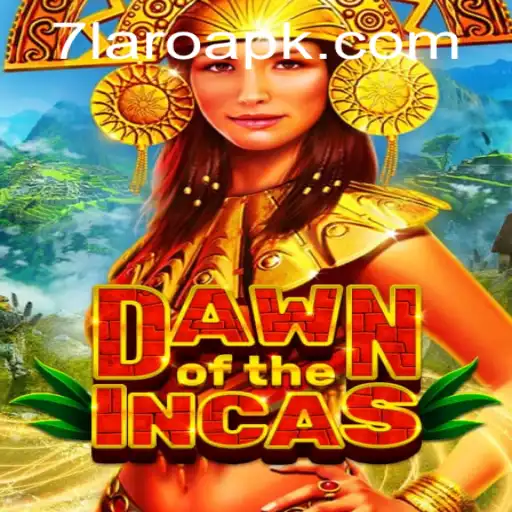
Dive into the mesmerizing world of DawnoftheIncas, a game that combines historical intrigue with immersive gameplay. Learn about its captivating introduction, detailed description, and engaging rules.

Discover the intriguing LuckyDiamond game available on 7laro.com, delve into its gameplay mechanics, introduction, and rules in this detailed article.

Dive into the adventurous world of Heroofthe3KingdomsCaoCao, an enthralling game capturing the essence of ancient Chinese history and strategic gameplay.
 Join now